How to Plan Diving on a Budget: The Definitive 2026 Editorial Guide
The financial architecture of underwater exploration is often characterized by a high barrier to entry and a recurring cost structure that can appear prohibitive to the uninitiated. Scuba diving, by its very nature, requires a suite of life-support equipment, specialized gas logistics, and often, expensive maritime transit to reach isolated ecosystems. However, the assumption that world-class diving is reserved exclusively for those with significant disposable income is a misconception rooted in a passive consumption model of travel. When one shifts from being a “tourist” to an “operator,” the economic landscape of the sport undergoes a radical transformation.
Strategic diving involves the decoupling of the “experience” from the “luxury” typically packaged by resort-centric operations. To master the fiscal side of this pursuit, a diver must develop an editorial eye for value, distinguishing between non-negotiable safety expenditures and the high-margin convenience fees that inflate modern dive travel. The objective is to achieve a high “bottom-time-to-dollar” ratio without compromising the structural integrity of the safety protocols that govern the underwater realm.
This analysis provides a rigorous framework for navigating the economic variables of a diving career. We will move beyond superficial advice, such as “buying used fins,” to examine the systemic ways one can manipulate geography, timing, and equipment life-cycles to sustain a high-frequency diving habit. By treating the hobby as a logistical puzzle to be solved through intellectual effort rather than just financial output, the dedicated diver can access the planet’s most pristine environments on a fraction of the standard industry quote.
Understanding “how to plan diving on a budget”
The primary hurdle in learning how to plan diving on a budget is the tension between immediate savings and long-term value. Most beginners view a dive trip as a single transaction—a price paid for a specific number of tanks. A more sophisticated perspective views diving as a “logistics chain.” If you reduce the cost of the “last mile”—the boat ride or the resort stay—you can significantly increase the number of dives performed. The oversimplification risk here is high; many divers attempt to save money by opting for the cheapest available operator, only to find that hidden costs, such as equipment failure or poor site selection, negate the initial savings.
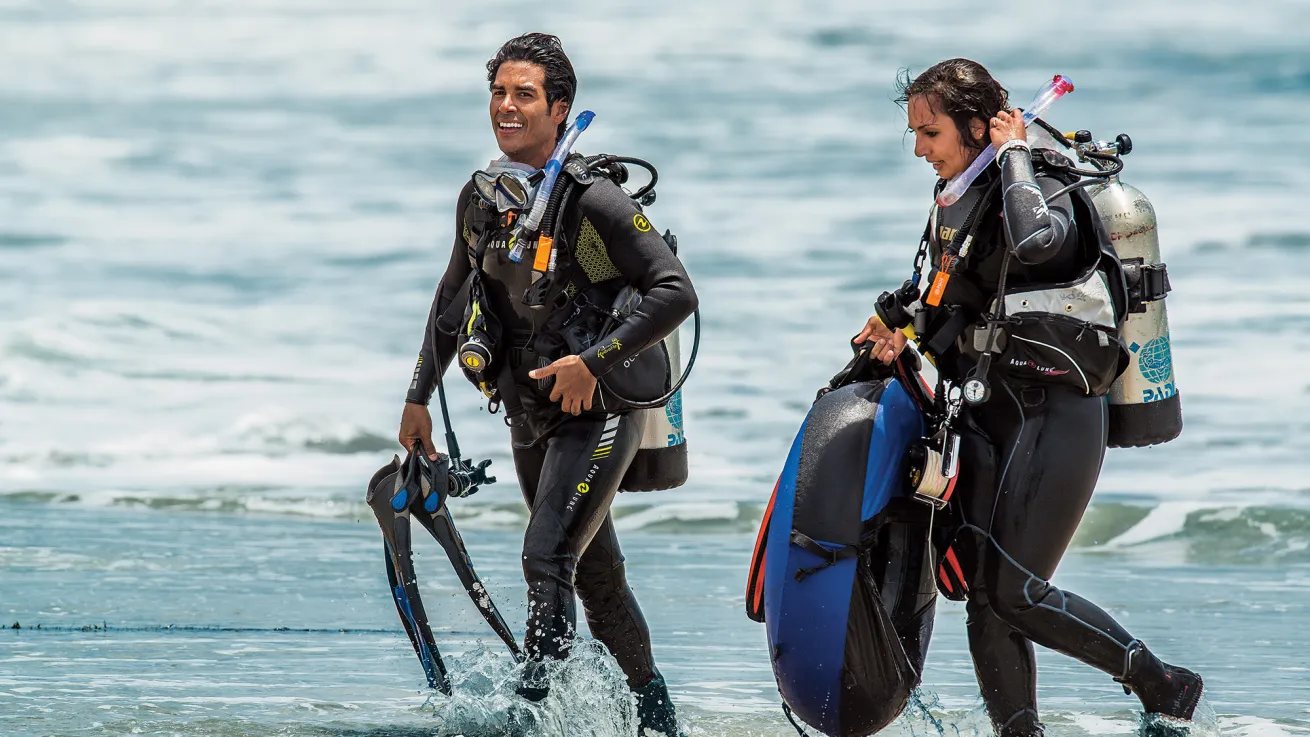
From a systemic perspective, budgeting for diving is about identifying the “unbundled” options. In the traditional resort model, you are paying for a bundled service: accommodation, meals, gear, and guided dives. By unbundling these components—securing independent housing, utilizing shore-access sites, and owning personal life-support equipment—the diver takes control of the margin. However, this shift requires a higher degree of self-sufficiency. A budget diver must be their own navigator, their own equipment technician, and often, their own logistics coordinator.
Furthermore, we must address the “False Economy of Procrastination.” Divers often wait until the last minute to book or service gear, leading to “emergency” pricing. A disciplined budget plan is proactive, leveraging off-peak seasonality and preventative maintenance to ensure that when a rare opportunity for a low-cost expedition arises, the diver is mechanically and financially ready to move. True budgeting in this sport is not about deprivation; it is about the strategic allocation of resources toward the maximum possible time spent underwater.
Historical Context of Dive Affordability
The economic history of scuba diving is a narrative of technological democratization. In the 1950s and 60s, diving was a niche pursuit of the military and scientific elite, with equipment that was largely custom-built or repurposed. As the “sport” grew in the 70s, mass production lowered the cost of hardware, but the “access” remained expensive. Diving was synonymous with luxury Caribbean travel.
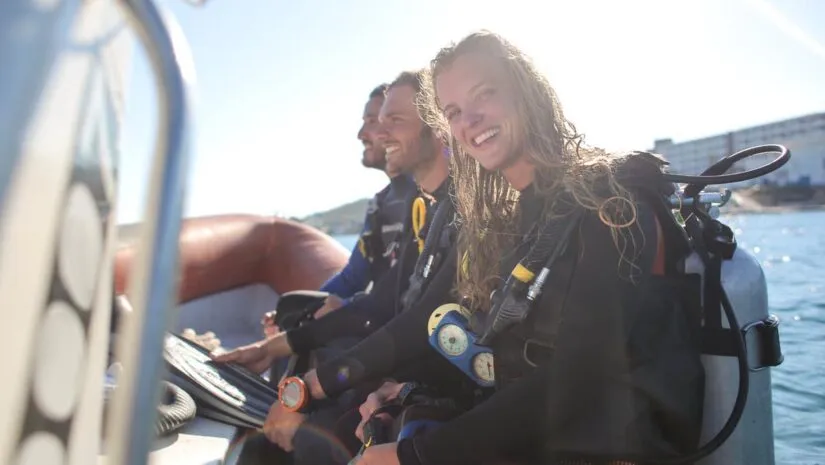
The 21st century has seen a bifurcation of the industry. On one side, the “Luxury Liveaboard” market has reached new heights of opulence and price. On the other, the rise of “independent diving hubs”—places like Bonaire, Dahab, and parts of Southeast Asia—has empowered a new generation of budget-conscious explorers. These hubs offer the infrastructure for “DIY” diving, where the cost of a tank of air is decoupled from the cost of a luxury hotel room. This historical shift from “guided-only” to “independent-optional” is the foundation upon which modern budget planning is built.
Mental Models for Fiscal Underwater Planning
To optimize a dive budget, one should apply these three conceptual frameworks:
1. The “Tank-Hour” Metric
Instead of looking at the cost per trip, calculate the cost per hour spent underwater. A $1,000 trip that yields 20 hours of bottom time ($50/hr) is fundamentally “cheaper” than a $600 trip that only allows for 5 hours ($120/hr). This model forces the diver to prioritize high-frequency, shore-accessible destinations over low-frequency, boat-dependent ones.
2. The Total Cost of Ownership (TCO)
When purchasing gear, the sticker price is only the beginning. A “budget” BCD that requires specialized, expensive annual servicing may cost more over five years than a premium “back-plate and wing” system that is user-serviceable and built for a lifetime. The mental model here is “buy once, cry once.”
3. The Geographic Arbitrage Model
This involves leveraging the disparity in the cost of living between your home country and the dive destination. By choosing locations where the local currency is weak relative to yours, your budget for food, housing, and local transport effectively doubles. This is a primary driver in the popularity of Southeast Asian and Egyptian diving hubs.
Categories of Budget-Friendly Diving and Structural Trade-offs
| Strategy | Primary Benefit | Significant Trade-off | Best Regional Application |
| Shore Diving Hubs | Near-zero boat fees; total schedule control. | High physical demand; navigation self-reliance. | Bonaire, Curacao, Dahab. |
| Local Temperate Diving | Zero airfare; high frequency of practice. | Requires expensive thermal gear (Drysuits). | Pacific Northwest, UK, Great Lakes. |
| Off-Peak Seasonality | 30-50% off accommodation; uncrowded sites. | Risk of “blown out” days due to weather/monsoons. | Caribbean (Hurricane season), SE Asia. |
| Independent Liveaboard | Maximum dives per day; included meals. | High upfront capital; confined social space. | Red Sea, Similan Islands. |
| Guesthouse/Homestay | Deep cultural immersion; very low cost. | Potential lack of Western amenities (AC/Hot water). | Indonesia, Philippines. |
Decision Logic for Destination Selection
The logic follows a hierarchy of “fixed costs.” If the flight is the most expensive part (e.g., flying from NYC to Indonesia), you must stay for at least two weeks to amortize that airfare. If the flight is cheap but the daily cost is high (e.g., NYC to Florida), the trip must be short and focused on high-yield shore sites.
Real-World Execution Scenarios
Scenario A: The “Dahab” Methodology
A diver travels to the Sinai Peninsula for one month.
-
The Plan: Renting a local apartment, eating at “hole-in-the-wall” eateries, and buying a “multi-day” shore diving pass from a local shop.
-
Result: The daily cost, including diving, food, and lodging, can drop to under $40 USD.
-
Failure Mode: Neglecting to check the validity of dive insurance in remote regions, which could lead to a $20,000 medical bill.
Scenario B: The “Bonaire” Truck Rental
Four friends fly to the ABC islands.
-
The Plan: Renting a double-cab pickup truck, staying in an Airbnb with a kitchen, and buying “unlimited air” packages.
-
Result: Total autonomy to dive 5 times a day, including night dives, for the cost of the gas in the tank.
-
Second-Order Effect: Mastery of navigation and self-rescue skills through constant independent practice.
Economics of the Diving Lifecycle: Direct vs. Indirect Costs
| Expense Type | Direct Cost (Immediate) | Indirect Cost (Long-term) |
| Certifications | Course fee & materials. | The “opportunity cost” of a bad instructor (requiring retraining). |
| Gas Fills | $10 – $25 per tank. | Fuel and vehicle wear to transport cylinders. |
| Gear Maintenance | $150 – $300 annual service. | Potential gear failure resulting in a “wasted” $3,000 trip. |
| Travel | Airfare & Lodging. | Time away from income-generating activities. |
The “Rent vs. Buy” Inflection Point
For most, the “Buy” decision should happen at 50 dives. If you dive 20 times a year, rental fees will equal the cost of a mid-range kit in roughly three years. Beyond that, owning your own gear is not just a safety advantage—it is a direct financial gain.
Support Systems and Strategic Toolsets
-
Dive Clubs: Often provide access to group-owned compressors, cylinders, and discounted boat charters.
-
Used Gear Networks: Specifically for non-life-support items like fins, masks, and lead weights.
-
Digital Logbooks: Used to track SAC rates (Surface Air Consumption). A more efficient breather spends less on gas and can use smaller, cheaper tanks.
-
DIY Kitchens: Saving $30 a day on meals over a 14-day trip pays for nearly three days of diving.
-
Multi-Day Passes: Never pay for a “single tank.” Always buy in blocks of 10 or 20 for a 15-25% discount.
Risk Taxonomy: The Danger of Extreme Frugality
When the goal is to reduce cost, one must be wary of “Risk Migration.”
-
The Maintenance Gap: Skipping a regulator service to save $150. This is the primary cause of underwater emergencies.
-
The “Grey Market” Purchase: Buying gear from unauthorized retailers. You save 20% upfront but lose all warranty and “free parts for life” benefits.
-
Guided vs. Unguided: Attempting to dive a complex site without a guide just to save $30. The risk of getting lost or missing the “target” species is high.
Long-Term Governance and Adaptive Budgeting
A sustainable diving habit requires an “Annual Operations Review.”
-
Monitoring: Track your total spend per year. If the “Travel” portion exceeds 70%, consider investing in a high-quality drysuit to enable more local diving.
-
Adjustment Triggers: If a destination increases its “Park Fees” significantly (e.g., Komodo), it may be time to shift to an alternative like Alor or Flores.
-
Layered Checklist:
-
Is the destination “shore-diveable”?
-
Are there grocery stores nearby to avoid 100% restaurant dining?
-
Can I travel with my own gear to avoid rental fees and ensure safety?
-
Measurement and Evaluation of Trip Efficacy
How do you know if your budget plan was successful?
-
Qualitative Signal: You returned with all your gear intact, no injuries, and a high level of satisfaction with the marine life seen.
-
Quantitative Signal: The final “Tank-Hour” cost was lower than your historical average.
-
Documentation: Keep a spreadsheet of every trip. Note the hidden “add-ons” (airport transfers, nitrox surcharges) to avoid them in the future.
Common Misconceptions and Ethical Realities
-
“Budget diving means bad diving.” Some of the world’s best sites (like the Blue Hole in Dahab) are shore-accessible and cost $15 to dive.
-
“You should tip less to save money.” Correction: Tipping the crew is a non-negotiable part of the dive economy. If you can’t afford the tip, you can’t afford the trip. Budget elsewhere (food/lodging).
-
“Cheap gear is dangerous.” Most “entry-level” gear from major brands (Cressi, Mares, Aqualung) meets the same rigorous safety standards as their $2,000 counterparts. You are paying for features/comfort, not safety.
Conclusion
The pursuit of how to plan diving on a budget is an exercise in logistical discipline. It requires the diver to take an active role in their own education and equipment management. By prioritizing shore diving, off-peak travel, and geographic arbitrage, the “luxury” of the underwater world becomes a repeatable, sustainable reality. The ocean does not care how much you spent on your hotel room; it only rewards those who have the skills, the preparation, and the air in their tanks to stay a little longer.