Best Liveaboard Diving Options: The Definitive 2026 Editorial Guide
The transition from land-based diving to the liveaboard model represents a fundamental shift in the logistics of underwater exploration. For the dedicated practitioner, a liveaboard is not merely a floating hotel; it is a purpose-built technical platform designed to maximize “bottom time” and provide access to maritime frontiers that remain physically unreachable by day-trip vessels. This shift requires a departure from traditional holiday planning toward a more rigorous evaluation of vessel engineering, nautical range, and the specific dive-deck workflows that define the experience.
Evaluating the best liveaboard diving options necessitates an understanding of the trade-offs between luxury, stability, and operational specialization. A vessel optimized for the calm, crystalline waters of the Red Sea may prove woefully inadequate when facing the aggressive surges and unpredictable currents of the Galapagos or the Socorro Islands. Consequently, the “best” choice is never a static ranking but a fluid match between the diver’s technical proficiency and the vessel’s specific environmental mandate.
This analysis moves beyond the cursory “top ten” lists prevalent in digital travel media. Instead, it examines the systemic architecture of the liveaboard industry, dissecting the variables of hull design, gas blending capabilities, and regional seasonality. By treating the liveaboard as a logistical system rather than a leisure product, we can establish a framework for selecting expeditions that offer the highest return on both financial investment and physiological effort.
Understanding “best liveaboard diving options.”
To effectively navigate the best liveaboard diving options, one must first dismantle the marketing veneer of “luxury.” In the context of remote exploration, luxury is often secondary to redundant systems. A common misunderstanding among divers is that the age or aesthetic of a boat correlates with its safety or utility. In reality, an older, well-maintained steel-hulled vessel may offer superior stability in heavy seas compared to a modern, fiberglass catamaran.
Oversimplification in this sector usually manifests as a focus on cabin amenities rather than the “business end” of the boat: the dive deck. A definitive liveaboard option must be assessed through its ability to facilitate safe, efficient entries and exits in varying sea states, the reliability of its compressor systems (specifically Nitrox membrane consistency), and the ratio of dive guides to guests. A high guide-to-guest ratio is often the most significant indicator of a high-quality operation, as it allows for smaller, more personalized groups and better management of varied experience levels.
The risk of a poorly matched liveaboard choice is not just a sub-par vacation but a significant safety compromise. For instance, selecting a boat without a “chase boat” or “tender” system for a region with strong currents, like Komodo, significantly increases the risk of diver separation. Therefore, the search for the best options must prioritize operational compatibility with the destination’s specific environmental challenges over the presence of a sundeck or a chef-curated menu.
Historical Evolution of the Liveaboard Sector
The liveaboard concept originated in the late 1970s and early 1980s as an extension of the “research vessel” ethos. Early pioneers modified commercial fishing boats or small yachts to accommodate divers who wanted to see the “Outer Great Barrier Reef” or the remote “Brother Islands” in Egypt. These early trips were Spartan, focusing purely on access rather than comfort.
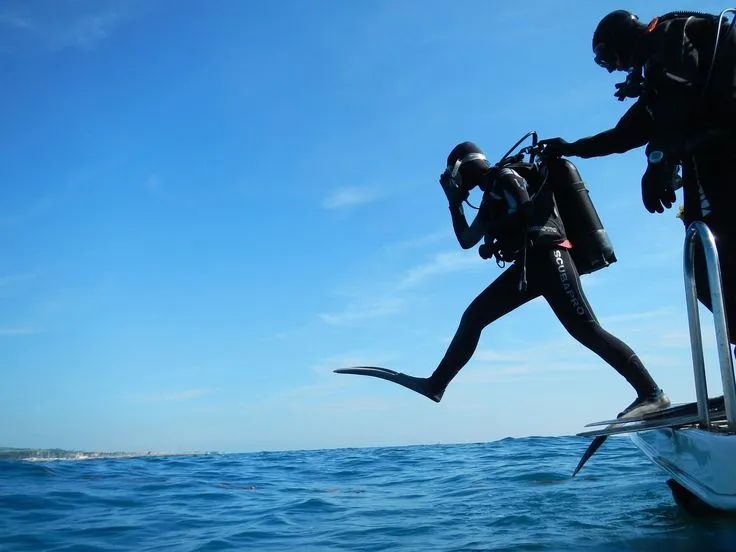
By the 1990s, the industry saw the emergence of purpose-built fleets like the Aggressor and Explorer Ventures brands. This era introduced standardization: specific dive deck layouts, integrated photo stations, and consistent safety protocols. Today, the sector has bifurcated into two distinct directions:
-
The Boutique Explorer: Small-scale vessels focusing on “citizen science” or niche technical diving (e.g., deep wreck exploration).
-
The “Floating Resort”: Large-scale, high-displacement vessels that offer spa services and gourmet dining, aiming to bridge the gap between cruise ships and dive boats.
Understanding this trajectory is vital because it explains the current diversity in the market. The “best” options today often blend the rugged reliability of the early era with the sophisticated safety technology of the modern age.
Mental Models for Expedition Planning
To categorize and evaluate diverse global offerings, practitioners should utilize these specific mental models:
1. The “Stability vs. Agility” Pivot
Hull design dictates the experience. A mono-hull vessel typically handles deep-water swells with a predictable “roll,” whereas a catamaran (twin-hull) offers immense stability at anchor but can have a “snappy” motion in rough transit. The mental model here is to match hull type to the specific crossing requirements of the itinerary.
2. The Task Loading Threshold
Diving 4–5 times a day for a week creates a unique physiological load. A plan that looks good on paper (e.g., “30 dives in 6 days”) may lead to exhaustion and “nitrogen loading” that exceeds a diver’s comfort. The best options build in “gas breaks” or shallow afternoons to manage this cumulative risk.
3. The “Last Mile” Logistics Filter
The quality of a liveaboard is often determined by the final 100 yards of the dive—the transition from the water back to the ship. Does the boat use a “lift” system, or must divers climb a vertical ladder in full gear? This detail is a mechanical necessity that dictates the long-term sustainability of the trip for older or less physically robust divers.
Categories of Vessel Architecture and Trade-offs
Liveaboards are generally categorized by their construction material and layout, which directly impacts their performance in specific regions.
| Vessel Type | Primary Strength | Trade-off | Regional Suitability |
| Steel-Hulled Motor Vessel | Weight/Stability; durability in ice/rocky areas. | Slower transit speeds; potential for vibration. | Galapagos, Socorro, North Sea. |
| Aluminum-Hulled Power Cat | Immense deck space; high speed; stability at rest. | Challenging in heavy head-seas (slamming). | Bahamas, Maldives, Great Barrier Reef. |
| Traditional Wooden Phinisi | Aesthetic appeal; quiet; often supports local craft. | Higher maintenance, variable stability, and slower. | Indonesia (Raja Ampat, Komodo). |
| Sailing Liveaboard | Quiet; environmentally conscious; unique experience. | Dependent on wind, smaller cabins, and a less stable deck. | Seychelles, British Virgin Islands. |
Decision Logic for Itinerary Selection
If the goal is pelagic encounters (sharks, mantas), the best options are those that prioritize “station-keeping” ability and have long-range fuel capacities. If the goal is macro photography, the priority shifts to vessels with large, dedicated camera rooms and low guest counts to allow for extended time at specific “muck” sites.
Real-World Selection Scenarios
Scenario A: The Galapagos “Wolf & Darwin” Run
A diver wants to see whale sharks and hammerheads. The transit to these islands involves open-ocean crossings with significant swells.
-
Optimal Option: A heavy, 100ft+ steel-hulled vessel with active stabilization fins.
-
Failure Mode: Selecting a small wooden boat that lacks the displacement to handle the “washing machine” currents, resulting in severe seasickness and canceled dive days.
Scenario B: The Raja Ampat Diversity Tour
Covering 1,500 square miles of territory in Indonesia.
-
Optimal Option: A Phinisi that utilizes both engine and sail, providing a quiet atmosphere while moving between the karst islands.
-
Second-Order Effect: These vessels often have higher guide ratios (1:4), which is essential for spotting the cryptic species Raja Ampat is known for.
Economics of the Liveaboard Lifecycle
The pricing of the best liveaboard diving options is rarely transparent at first glance. One must account for the “inclusive vs. exclusive” nature of the billing.
| Expense Category | Estimated Range (USD) | Logic / Variable |
| Base Berth Price | $2,500 – $6,500 | Weekly rate per person (double occupancy). |
| Park & Port Fees | $100 – $500 | Mandatory government fees are rarely included in the base price. |
| Nitrox/Gas Surcharge | $150 – $300 | Essential for 4-dive-a-day safety and bottom time. |
| Crew Gratuity | 10% – 15% | The industry standard for service-intensive trips. |
| Total Investment | $3,200 – $8,000+ | Does not include airfare or equipment rental. |
Opportunity Cost: The “Dive vs. Dollar” Ratio
A $3,000 liveaboard that offers 18 dives is more expensive per dive than a $4,500 boat that offers 28 dives. For the serious diver, the “cost per underwater hour” is the only metric that truly matters.
Risk Landscape and Failure Modes
Liveaboard diving introduces risks that are absent in shore-based operations.
-
Mechanical Isolation: A broken compressor on a boat 200 miles from shore ends the trip for everyone. The best options carry at least one backup compressor.
-
Fire Hazard: The density of lithium-ion batteries being charged in camera rooms is a primary safety concern. “Top” options provide fire-proof charging lockers.
-
Epidemiological Risk: In a confined space, a single “stomach bug” or respiratory infection can ground the entire vessel. High-tier boats have rigorous air filtration and hygiene protocols.
Measurement, Tracking, and Evaluation
How do you evaluate the quality of a liveaboard post-expedition?
-
Leading Indicator: The “First Dive Protocol.” Does the crew perform a rigorous weight check and safety briefing, or is it a “jump in and go” mentality?
-
Qualitative Signal: The condition of the O-rings on the rental gear. If the “small things” are maintained, the “big things” (engines, life rafts) usually are too.
-
Quantitative Signal: Variation in gas percentage (Nitrox) across the week. Consistency indicates a well-maintained membrane system.
Common Misconceptions
-
“Liveaboards are only for pros.” While they offer more diving, many regions (like the Bahamas or the Maldives) are perfect for intermediates.
-
“All-inclusive means all-inclusive.” Always check for hidden fees like “fuel surcharges” which can be added at the last minute if oil prices spike.
-
“Modern boats are always safer.” Safety is a culture, not a manufacturing date. A 30-year-old boat with a captain who has 20 years on that specific route is often safer than a brand-new vessel with a rotating crew.
Conclusion
The pursuit of the best liveaboard diving options is ultimately a search for operational harmony. It requires a diver to be honest about their physical limits and their technical needs. Whether navigating the steel wrecks of the Red Sea or the limestone labyrinths of Indonesia, the vessel is the silent partner in every dive. By prioritizing hull integrity, gas safety, and guide expertise over superficial luxuries, the diver ensures that their time underwater is not just maximized, but mastered.