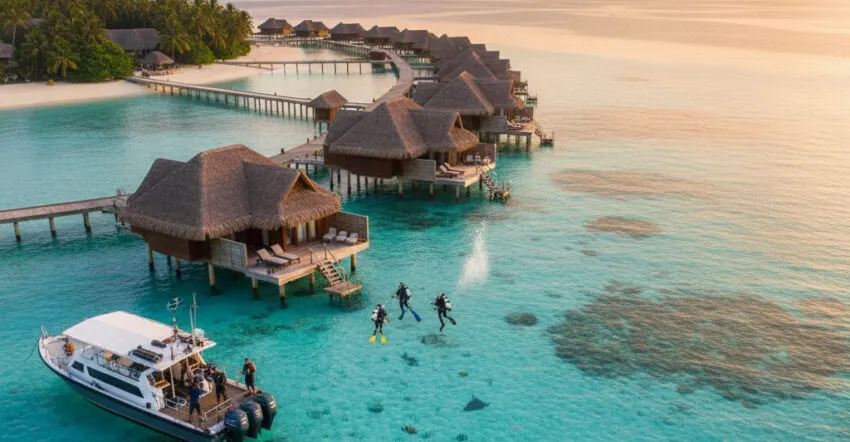
Luxury Dive Resorts USA: The Definitive 2026 Editorial Guide
The intersection of high-end hospitality and technical maritime exploration represents a specialized niche within the American travel sector. While the global diving community often associates “luxury” with the remote atolls of the Maldives or the private islands of Fiji, the United States has cultivated a distinct model of upscale sub-aquatic travel. This domestic version of the high-end dive experience is characterized by a marriage of sophisticated infrastructure, proximity to protected marine sanctuaries, and a rigorous adherence to safety standards that often exceed international norms.
To navigate the landscape of high-tier diving in the U.S., one must look beyond the glossy marketing of beachfront hotels and evaluate the “operational luxury” of the dive concierge. True luxury in this context is defined by the seamlessness of the transition from a five-star land environment to a high-performance maritime platform. It encompasses personalized gear valeting, private charter flexibility, and access to elite-level instructors who double as biological guides. The value proposition is not merely the thread count of the linens, but the minimization of “logistical friction” for the discerning underwater practitioner.
This article provides a rigorous, editorial deconstruction of the premium diving market within the U.S. borders. We will analyze the geographic hubs that support these high-capital operations, the mental models used by affluent travelers to assess site viability, and the systemic factors that differentiate a standard dive vacation from a bespoke expedition. By examining the infrastructure of the Florida Keys, the volcanic luxury of the Hawaiian Islands, and the emerging boutique markets in the U.S. Virgin Islands, we can establish a definitive framework for the highest-tier sub-aquatic experiences currently available.
Understanding “luxury dive resorts usa”
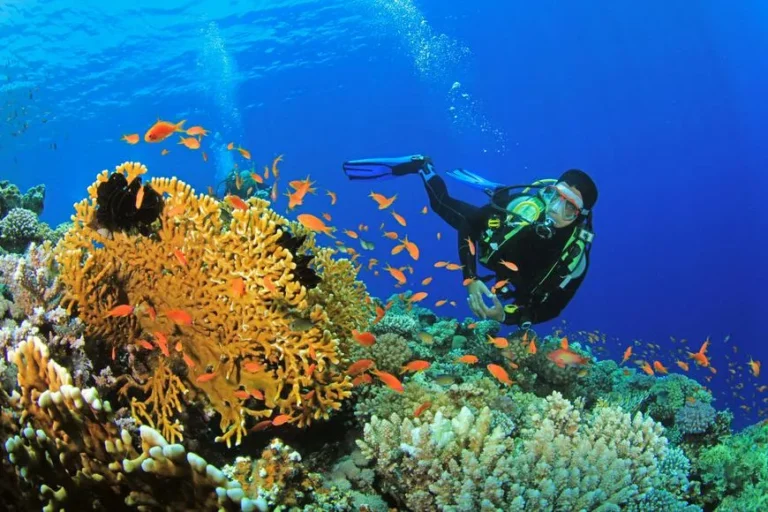
The term luxury dive resorts usa is frequently misunderstood as a synonym for “expensive hotels near water.” This reductionism overlooks the functional requirements of a top-tier diving operation. A multi-perspective view reveals that luxury in the U.S. market is a triad: elite-level accommodation, high-performance nautical logistics, and exclusive environmental access. A resort may offer a Michelin-starred restaurant, but if the dive boat is crowded or the rental gear is aged, the “luxury” designation fails at the waterline.
Oversimplification risk in this domain often leads travelers to book at massive resorts where diving is a secondary “activity” rather than the core mission. In these settings, the dive experience is often diluted by high-volume groups and rigid schedules. Conversely, a true luxury dive operation within the U.S. operates on the principle of “discretionary access,” offering private departures that align with optimal tides and light conditions rather than the convenience of the hotel’s buffet schedule.
The risk of a poorly informed choice in this high-capital bracket is not just financial, but an opportunity cost of time and safety. The U.S. market is unique because of its strict Coast Guard regulations and OSHA-adjacent safety standards, which provide a “floor” of safety that is often higher than international budget destinations. Therefore, the “luxury” premium in the U.S. often goes toward “invisible” assets: redundant safety systems, higher-octane gas blending, and boats with stabilization technology that ensures comfort in heavy seas.
The Systemic Evolution of High-End Domestic Diving
Historically, U.S. diving was a rugged, fraternal pursuit centered around local boat clubs and basic motels. The transition to the luxury model began in the late 1980s, primarily in the Florida Keys and Hawaii, as a response to the aging “baby boomer” demographic who sought to continue exploring the ocean without the physical toll of “cattle boat” diving. This shift necessitated a redesign of the dive platform itself—moving from narrow, open-deck vessels to wide-beam, custom-built catamarans with enclosed cabins and hot showers.
Simultaneously, the environmental governance of the U.S. changed. The establishment of the National Marine Sanctuary system provided a protected “product” that luxury resorts could market. By the early 2000s, the “boutique” movement in hospitality hit the coastlines, leading to the development of properties like Little Palm Island or the upscale transformations of Kona’s resort corridor. Today, the market is defined by “integrated luxury,” where the dive shop is not a third-party tenant but a core pillar of the resort’s brand identity, reflecting the same standards as the spa or the concierge desk.
Mental Models for Assessing Premium Maritime Operations
Affluent and experienced divers use specific frameworks to evaluate whether a resort meets the threshold of “luxury.”
1. The “Frictionless Logistics” Model
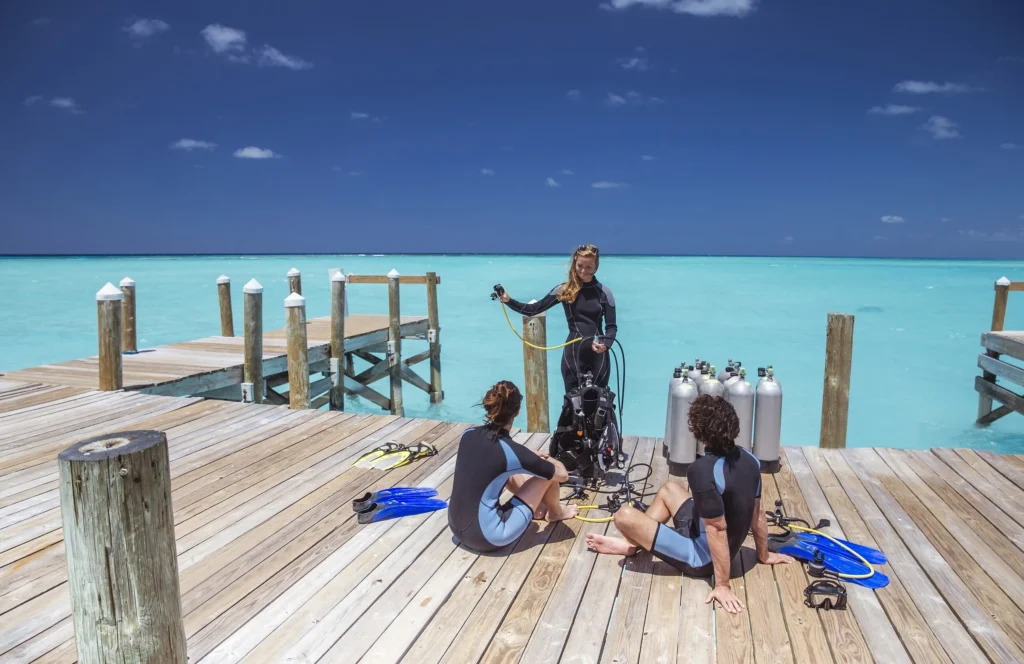
This model assesses the path from the guest’s room to the water. In a true luxury setting, the guest never touches their gear after the initial fitting. It is rinsed, dried, and staged on the boat by professional valets. The mental model focuses on the preservation of the diver’s energy for the actual underwater experience.
2. The “Guide-to-Diver Ratio”
In standard operations, a guide may lead 8 to 12 divers. In a luxury context, the ratio is typically 1:2 or 1:4. This allows for a bespoke experience where the guide can focus on the specific interests of the guest—whether that be macro-photography, geological history, or advanced technical skills like buoyancy refinement.
3. The “Platform Sophiteness” Framework
This looks at the vessel as a primary piece of life-support equipment. Does the boat have a hydraulic lift for heavy gear? Is there a dedicated dry-table for high-end camera systems? Does the crew have advanced medical training and a redundant oxygen supply? A luxury operation is defined by the quality of its “invisible” infrastructure.
Categories of Upscale Dive Destinations and Operational Trade-offs
| Category | Typical Location | Primary Strength | Significant Trade-off |
| Private Island Retreats | Florida Keys (Lower) | Total seclusion; private dock access. | High “price-per-entry” barrier. |
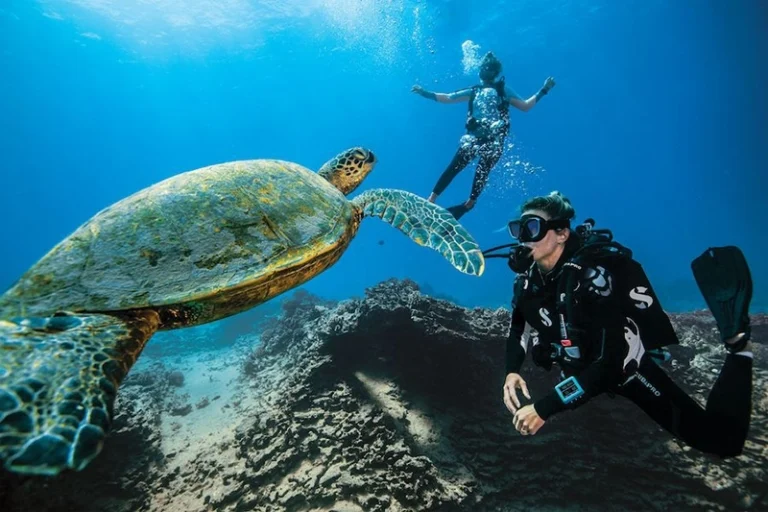
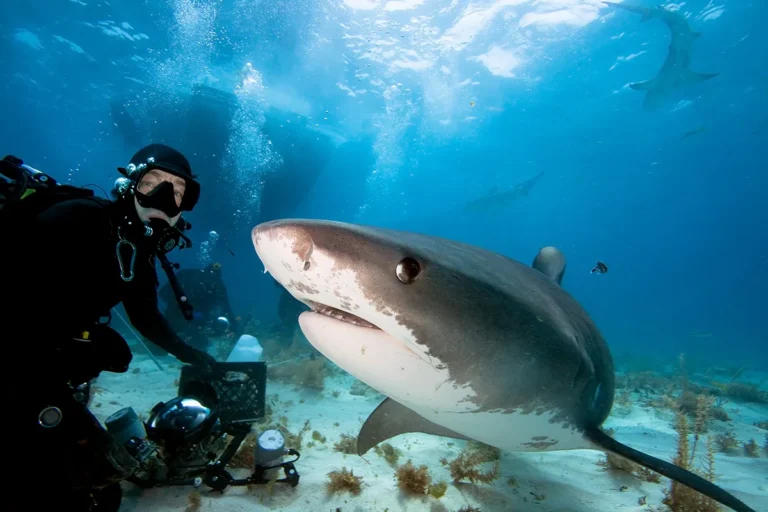
| Volcanic Luxury Ledges | Kona Coast, Hawaii | Pelagic access (sharks/mantas); deep-water drops. | Volcanic terrain can be rugged for shore access. |
| Boutique Sanctuary Hubs | Key Largo / Key West | Proximity to massive reef structures. | Higher “tourist” density in the surrounding area. |
| Territorial Outposts | U.S. Virgin Islands | Caribbean clarity with U.S. safety standards. | Longer flight logistics for mainland residents. |
| Remote Expedition Ships | Gulf of Mexico (Remote) | Access to pristine “Flower Garden” reefs. | Limited “land-based” amenities during the trip. |
Decision Logic: Florida vs. Hawaii
When you compare luxury dive resorts usa, the decision often rests on the “mission profile.” If the goal is “reef architecture and wrecks,” the Florida Keys offer the most sophisticated infrastructure. If the goal is “topography and large animals,” the Kona Coast is the superior choice. The trade-off in Hawaii is often a higher price for gas fills and boat fuel, whereas Florida offers more “modular” luxury where one can choose their level of private involvement.
Detailed Real-World Scenarios
Scenario 1: The Private Charter in the Dry Tortugas
A family books a luxury suite in Key West and a private overnight charter to the Dry Tortugas.
-
The Constraint: The site is 70 miles offshore, requiring a vessel with significant range and stabilization.
-
The Decision Point: Choosing between a fast day-trip or a “live-aboard” stay on a luxury yacht.
-
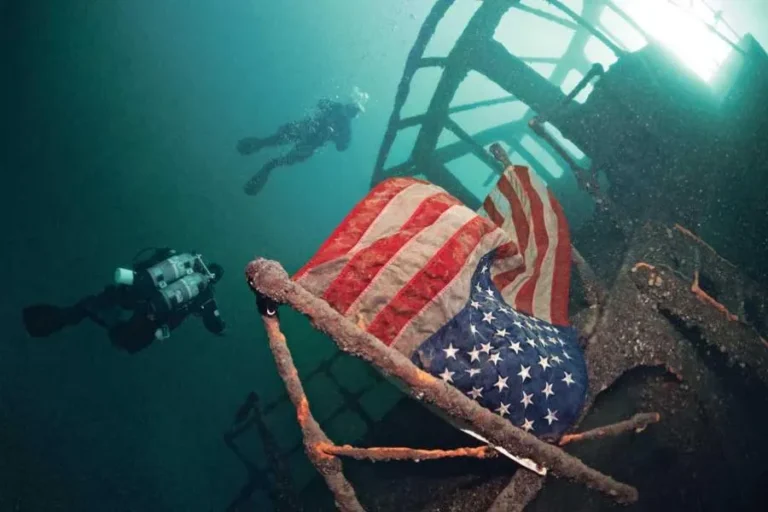
Second-Order Effect: Access to the “Windjammer” wreck at dawn, before any public boats arrive, providing a pristine, silent experience.
Scenario 2: The Manta Ray Concierge in Kona
A high-net-worth individual seeks to photograph the manta ray night dive without the crowds.
-
The Dynamic: The site can be crowded with dozens of boats.
-
The Mitigation: The luxury resort coordinates a “late-departure” private boat that arrives as other operators are leaving.
-
Failure Mode: Weather shifts that make the private mooring untenable, requiring a pivot to a “black water” dive instead.
The Economics of Bespoke Diving: Cost and Resource Dynamics
The “price” of luxury in U.S. diving is an amalgamation of high-end labor, specialized equipment, and insurance premiums.
| Expense Category | Daily Estimate (USD) | Nuance / Variability |
| Bespoke Suite (5-Star) | $800 – $2,500 | Seasonal variability is extreme (Peak: Dec-March). |
| Private Boat Charter | $1,200 – $3,500 | Includes captain, guide, and fuel surcharges. |
| Nitrox/Trimix Custom Fills | $30 – $150 per tank | Helium costs are currently volatile and high. |
| Concierge Gear Valet | $50 – $100 | Often bundled with the charter fee. |
Opportunity Cost: The “Value of Time”
For the target audience of luxury dive resorts usa, the greatest cost is not the charter fee but the “lost” time of a poorly executed dive. Spending $2,000 to ensure a perfect 60-minute experience on a pristine reef is viewed as more “economical” than spending $200 on a crowded boat where the visibility is ruined by 20 other divers.
Tools, Strategies, and Concierge Support Systems
-
Diver Propulsion Vehicles (DPVs): Luxury resorts often provide high-end scooters to allow guests to cover massive reef areas without physical exertion.
-
Private Dive Computers: Pre-programmed with the guest’s specific gas mixes and conservatism factors.
-
On-Board Nitrox Blending: Allowing for custom gas mixtures ($O_2$ levels) optimized for the specific depth of the target wreck.
-
Satellite Connectivity: High-speed internet on the boat to allow for “work-from-water” capabilities or immediate photo uploads.
-
Professional Videography: A dedicated “media guide” who documents the dive and provides a color-graded edit by dinner time.
Risk Landscape and Failure Modes in Luxury Settings
A common fallacy is that luxury equals zero risk. In fact, high-end diving introduces specific “compounding risks.”
-
The “Entitlement” Trap: Divers may feel that because they paid a premium, they should be “allowed” to dive in conditions that the captain deems unsafe.
-
Task Loading: Managing expensive camera systems or DPVs can distract from basic gas monitoring.
-
Normalization of Deviance: A private guide may be more hesitant to correct a “high-paying” guest’s poor buoyancy or safety habits.
-
Medical Response Lag: Remote luxury outposts must have a clear “MedEvac” protocol, as the closest hyperbaric chamber may be a helicopter ride away.
Governance, Maintenance, and Long-Term Adaptation
The “governance” of a luxury dive habit involves the maintenance of the diver’s own “human capital.”
-
Annual Proficiency Audits: Luxury resorts often offer “skills tune-ups” in a private pool before the first ocean descent.
-
Equipment Rotation: A commitment to using life-support gear that is less than three years old, ensuring the latest in regulator breathing resistance technology.
-
Ecological Stewardship: High-end divers often act as “citizen scientists,” using their high-quality photography to document reef changes for sanctuary managers.
Measurement and Evaluation: Leading vs. Lagging Indicators
-
Leading Indicator: The “Turnaround Time” for gear. If your equipment is on the boat before you finish breakfast, the operation is functioning at a high level.
-
Lagging Indicator: “Air Consumption Rate.” A relaxed, well-guided diver will consume 20-30% less air than a stressed one on a crowded boat.
-
Documentation Example: A professional logbook that records not just depth and time, but “Marine Encounters per Dollar” and “Logistical Smoothness” ratings.
Common Misconceptions and Ethical Realities
-
“Luxury divers are lazy.” Correction: Many high-end divers are technical experts who simply value the efficiency of professional support.
-
“All Hawaii resorts are dive resorts.” Correction: Many high-end hotels have a “towel hut” that offers snorkeling, but very few have a dedicated, internally-managed luxury dive operation.
-
“The U.S. has no clear water.” Correction: The U.S. Virgin Islands and the “stream-fed” reefs of the Florida Keys often maintain visibility exceeding 100 feet.
Conclusion
The evolution of luxury dive resorts usa represents a maturing of the American maritime industry. It is a sector that has learned to apply the principles of high-tier service to the unforgiving environment of the open ocean. By prioritizing specialized logistics, low-density access, and redundant safety systems, these operations allow for a deeper, more profound connection with the marine environment.